
Best Time to Visit Greece: A Complete Guide for Planning Your Greece Tours
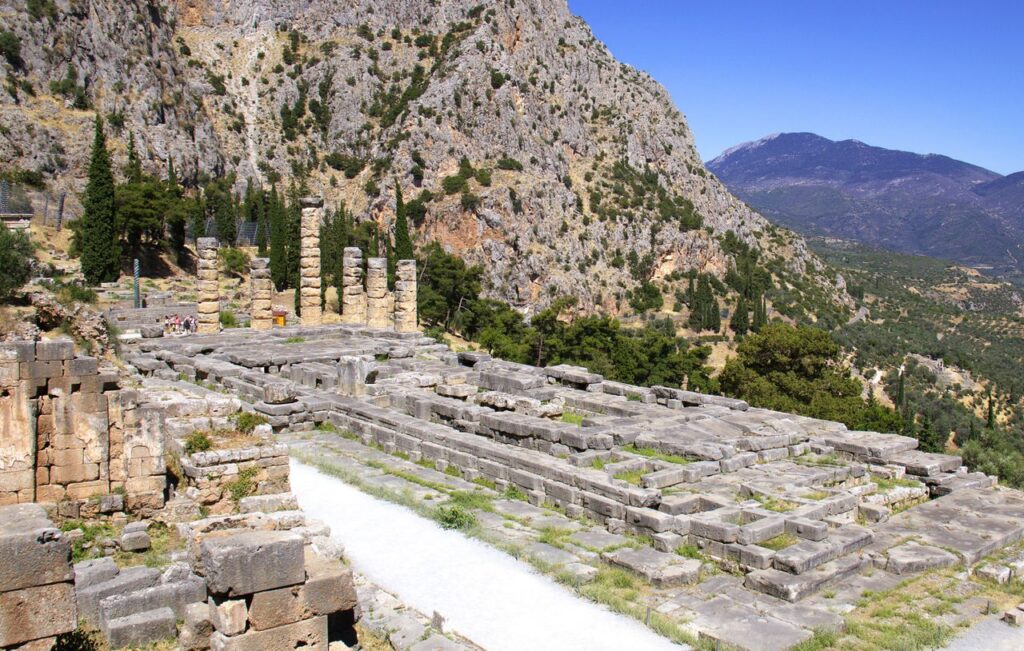
Greece is one of Europe’s most popular travel destinations, and for good reason. From the ancient Acropolis in Athens and the archaeological treasures of Delphi and Olympia to the whitewashed villages of Santorini, the beaches of Crete, the medieval streets of Rhodes, and the spectacular monasteries of Meteora, Greece offers something for almost every type of traveler.
But when is the best time to visit Greece?
The answer depends on what you want to experience.
If your dream Greek holiday involves swimming, island hopping, sailing, and long sunny days, the summer months may be ideal. If you are more interested in sightseeing, archaeological sites, cultural experiences, hiking, food, and exploring traditional villages without the peak-season crowds, spring and autumn can be excellent choices.
Greece has a Mediterranean climate characterized by long periods of sunshine, mild temperatures, and relatively limited rainfall, although weather varies considerably between the mainland, islands, mountains, and different regions of the country.
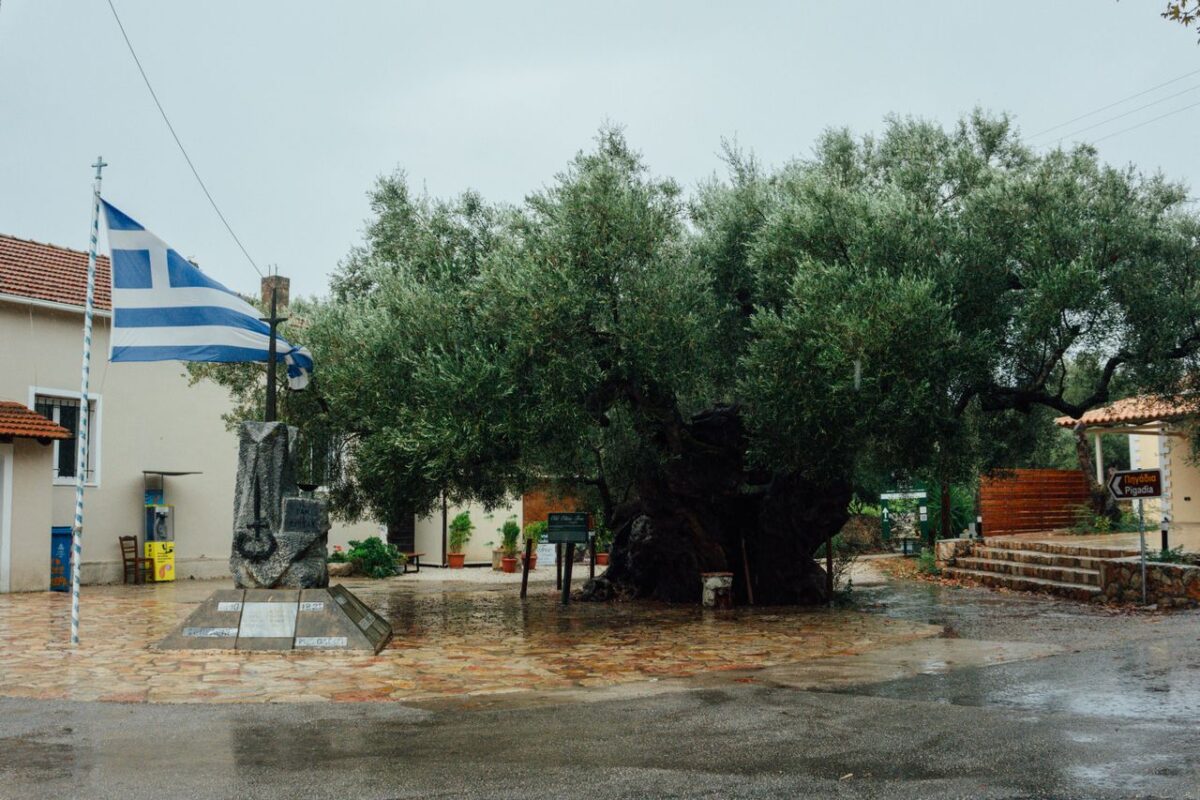
This guide explores the best time to visit Greece and helps you choose the right season for your Greece tours.
When Is the Best Time to Visit Greece?
For many travelers, April through October offers the best combination of pleasant weather and travel opportunities, but each season has its own advantages.
Quick Overview
- March to May: Excellent for sightseeing, culture, hiking, and exploring historic sites
- June: Excellent for beaches, islands, sightseeing, and outdoor activities
- July to August: Best for classic summer holidays, beaches, sailing, and nightlife, but also the busiest and hottest period
- September: One of the best months for Greece, combining warm weather with fewer crowds
- October: Excellent for cultural tours, sightseeing, food, and a quieter holiday
- November to February: Best for city breaks, mainland travel, museums, cultural experiences, and winter activities
There is no single “perfect” month for everyone. The best time depends on your destination and travel priorities.
Visiting Greece in Spring
Spring, from March through May, is one of the most attractive seasons for exploring Greece.
The weather becomes increasingly warm, landscapes turn green, wildflowers appear, and the major tourist season has not yet reached its summer peak.
The official Greek tourism organization describes spring as a season of warm weather, sunshine, blooming landscapes, traditional celebrations, and fewer crowds.
March in Greece
March marks the beginning of spring, although conditions can vary considerably.
Athens and southern Greece can be pleasant for sightseeing, while northern Greece and mountainous areas can still experience cooler conditions.
March is particularly suitable for travelers interested in:
- Archaeological sites
- Museums
- City tours
- Cultural experiences
- Hiking
- Photography
- Mainland Greece
It may be too early for a traditional beach holiday in many areas, but it can be a wonderful time to explore Greece’s history.
April in Greece
April is an increasingly popular month for Greece tours.
Temperatures become more comfortable, landscapes are often beautifully green, and outdoor sightseeing becomes enjoyable.
Athens, Delphi, Olympia, Nafplio, Meteora, and other mainland destinations can be particularly rewarding during this period.
April can also be a good choice for travelers who want to explore the Greek islands before the intense summer crowds arrive.
Keep in mind that some seasonal businesses and transport services may operate on reduced schedules before the main summer season, particularly on smaller islands.
May in Greece
May is one of the best months for an all-around Greek holiday.
The weather is generally warm and sunny, but the intense heat of July and August has not yet arrived.
According to Visit Greece, average daily high temperatures in May are around 25.1°C in Athens, 23.7°C in Crete, and 24°C in Santorini, although actual conditions vary by location and year.
May is ideal for:
- Athens sightseeing
- Island tours
- Archaeological tours
- Hiking
- Boat excursions
- Photography
- Food tours
- Village visits
- Cultural tours
For travelers who want to combine sightseeing and outdoor activities, May can be an excellent choice.
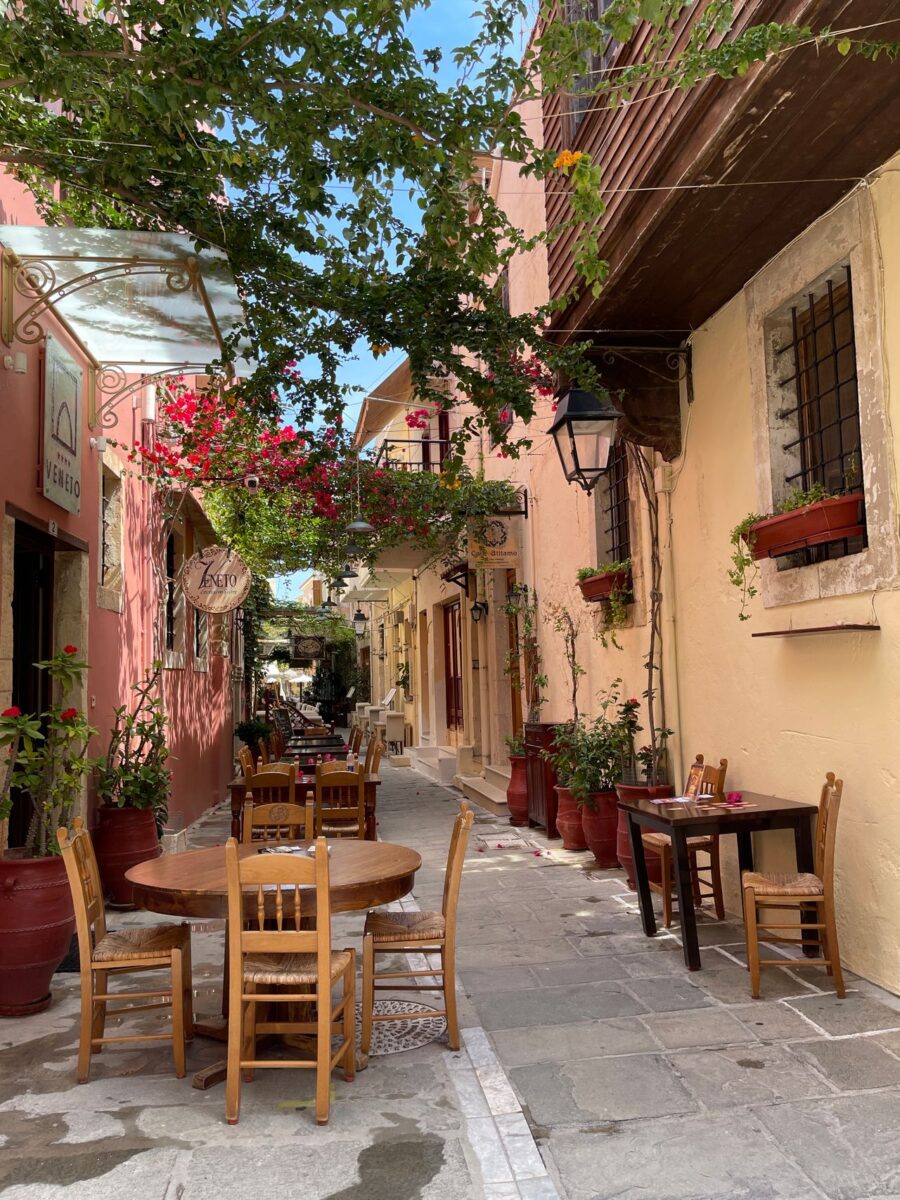
Visiting Greece in Summer
June, July, and August are Greece’s classic summer months.
This is the season most associated with Greek island holidays, blue skies, beaches, sailing, swimming, outdoor dining, and vibrant nightlife.
Summer is also the busiest tourist period.
June: A Great Month for Greece Tours
June offers many of the advantages of summer without reaching the peak conditions of July and August.
The days are long, temperatures are warm, and the sea is increasingly inviting for swimming.
June is especially good for:
- Island hopping
- Sailing tours
- Beach holidays
- Private tours
- Cultural sightseeing
- Outdoor dining
- Photography
- Hiking earlier in the day
Popular islands such as Santorini, Mykonos, Naxos, Paros, Crete, Rhodes, Corfu, and Zakynthos are particularly lively during this period.
July and August: Peak Summer
July and August represent the heart of the Greek summer.
These months are ideal if your primary goal is a classic Mediterranean beach holiday.
Expect:
- Hot weather
- Long sunny days
- Warm seas
- Busy islands
- Vibrant nightlife
- Numerous boat excursions
- Outdoor restaurants and cafés
- Festivals and summer events

The Greek tourism organization notes that summer is generally hot and dry, while seasonal Etesian winds can provide relief in some areas. Mountainous regions are typically cooler.
However, July and August can be challenging for travelers who dislike heat or crowds.
Popular archaeological attractions can become particularly busy during the middle of the day, so early-morning sightseeing is often a smart strategy.
Is August a Good Time to Visit Greece?
Yes, especially if you want a traditional summer vacation.
August is excellent for travelers interested in:
- Beaches
- Swimming
- Sailing
- Island hopping
- Nightlife
- Summer festivals
- Outdoor dining
But it is not necessarily the best month for travelers whose priority is quiet sightseeing.
If you are planning to visit Athens, Delphi, or other archaeological sites during August, consider visiting early in the morning and planning indoor attractions during the hottest part of the afternoon.
Visiting Greece in Autumn
September and October are among the best months for Greece tours.
The weather remains pleasant in many parts of the country, while the peak summer crowds begin to decrease.
For travelers who want a balance between warm weather, sightseeing, cultural experiences, and a more relaxed atmosphere, autumn is difficult to beat.
September: One of the Best Months to Visit Greece
September is often considered an ideal month for Greece.
The intense heat of midsummer begins to ease, but the sea remains warm enough for swimming in many destinations.
September works particularly well for:
- Island hopping
- Beach holidays
- Sailing
- Cultural tours
- Archaeological sightseeing
- Food and wine tours
- Hiking
- Photography
Santorini and Mykonos can still be lively, while destinations such as Crete, Rhodes, Corfu, Naxos, and Paros offer excellent opportunities for combining beaches with cultural exploration.
October: Great for Culture and Sightseeing
October is an excellent choice for travelers who want to experience a different side of Greece.
Temperatures are generally more comfortable for walking and sightseeing, making it easier to spend several hours exploring archaeological sites, historic neighborhoods, villages, and museums.
October is particularly suitable for:
- Athens tours
- Delphi tours
- Meteora tours
- Peloponnese road trips
- Cultural tours
- Food tours
- Wine experiences
- Village excursions
- Hiking
Some smaller seasonal island businesses may begin reducing their operating schedules as the tourist season winds down, so travelers should check local availability when planning island itineraries.
Visiting Greece in Winter
Winter in Greece is often overlooked because Greece is strongly associated with summer beaches and islands.
However, winter can be an excellent time to discover the country’s mainland, historic cities, museums, mountains, and cultural heritage.
The Greek climate varies significantly by region. Winters can be mild in many lowland areas, while mountainous areas commonly experience snow.

Why Visit Greece in Winter?
Winter is particularly appealing to travelers who want to:
- Explore Athens
- Visit museums
- Discover archaeological sites
- Experience Greek culture
- Explore Thessaloniki
- Visit mountain villages
- Enjoy winter landscapes
- Ski in mountain regions
- Experience local food
- Avoid peak-season crowds
The mainland offers an especially wide range of winter experiences, from historic cities and archaeological sites to mountain villages and nature destinations.
Athens in Winter
Athens is a year-round destination.
A winter trip can be an excellent opportunity to explore the Acropolis, museums, Plaka, Monastiraki, Ancient Agora, and other historical attractions without the intensity of the summer heat.
Winter is also a good time to enjoy Athens as a modern European city, with restaurants, cafés, galleries, markets, and cultural events.
Best Time for Greece Island Tours
If your primary reason for visiting Greece is island hopping, timing becomes especially important.
The main island groups include the Cyclades, Dodecanese, Ionian Islands, Sporades, North Aegean islands, Argosaronic islands, Evia, and Crete.
Best Months for Island Hopping
For many travelers, May, June, September, and early October offer an excellent balance.
You can enjoy:
- Pleasant weather
- Swimming opportunities
- Outdoor activities
- Ferry connections
- Island restaurants and cafés
- Cultural attractions
- Fewer crowds than peak summer
July and August are excellent if you want the full summer atmosphere, but popular islands can be extremely busy.
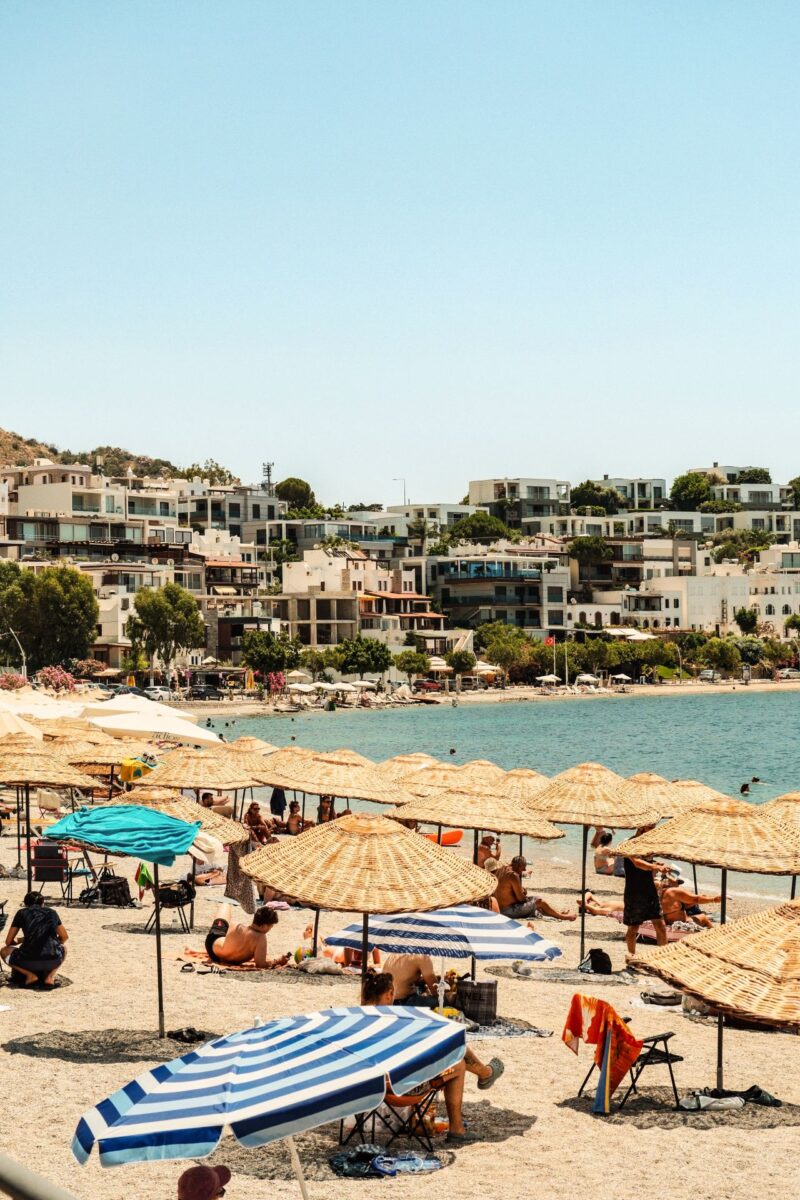
Best Time to Visit Santorini
Santorini is one of Greece’s most famous destinations.
For warm weather, swimming, sailing, and classic island experiences, June through September is an excellent period.
For travelers who prioritize sightseeing and fewer crowds, May, September, and October can be particularly attractive.
Santorini is not only about sunsets.
Cultural and historical experiences include:
- Akrotiri archaeological site
- Traditional villages
- Local churches
- Wine tasting
- Volcanic landscapes
- Traditional architecture
- Local cuisine
Best Time to Visit Mykonos
Mykonos is best known for its beaches, nightlife, and beautiful Cycladic architecture.
June through September is the main summer season, with July and August offering the busiest atmosphere.
For travelers who want a more relaxed experience, May, June, September, and early October can be better choices.
A cultural visit can include the old town of Mykonos, traditional architecture, windmills, churches, local food, and an excursion to nearby Delos.
Best Time to Visit Crete
Crete is one of the most versatile Greek destinations because of its size and diverse landscape.
It offers beaches, archaeological sites, mountains, villages, food, wine, monasteries, hiking opportunities, and historic towns.
May, June, September, and October are particularly attractive for combining different types of activities.
Summer is ideal for beaches and swimming, while spring and autumn can be better for hiking, cultural tours, archaeological sightseeing, and exploring villages.
Best Time for Cultural Tours in Greece
If your priority is history and culture rather than beaches, you do not need to travel during the height of summer.
April, May, September, and October are excellent choices for cultural tours.
These months can provide comfortable conditions for walking around archaeological sites and historic towns.
You can explore:
- Acropolis
- Delphi
- Olympia
- Mycenae
- Epidaurus
- Meteora
- Ancient Corinth
- Knossos
- Delos
- Medieval Rhodes
- Byzantine monuments
Greece’s official tourism organization promotes cultural experiences throughout the country, from historic landmarks and traditional villages to religious monuments, local events, cuisine, and regional heritage.
Best Time for Greek Food and Wine Tours
Greece’s food culture can be enjoyed throughout the year, but spring and autumn are particularly appealing for travelers interested in local produce, vineyards, olive groves, villages, and traditional cuisine.
A food-focused tour might include:
- Traditional tavernas
- Local markets
- Cooking classes
- Olive oil tastings
- Wine tasting
- Cheese producers
- Family farms
- Bakeries
- Regional specialties
Food traditions vary significantly between regions, making a culinary tour an excellent way to discover the diversity of Greece.
Best Time for Hiking in Greece
Greece is not only a beach destination.
The country has mountains, forests, gorges, coastal paths, valleys, and numerous hiking opportunities.
Spring and autumn are generally the most comfortable seasons for extended outdoor exploration, especially in mainland and mountainous areas.
Spring offers green landscapes and wildflowers, while autumn brings pleasant temperatures and changing colors in some regions.
Summer hiking can also be rewarding, but it is generally better to plan strenuous walks for early morning and carry sufficient water.
Best Time for Photography Tours
Greece is a dream destination for photographers.
The best season depends on the style of photography you prefer.
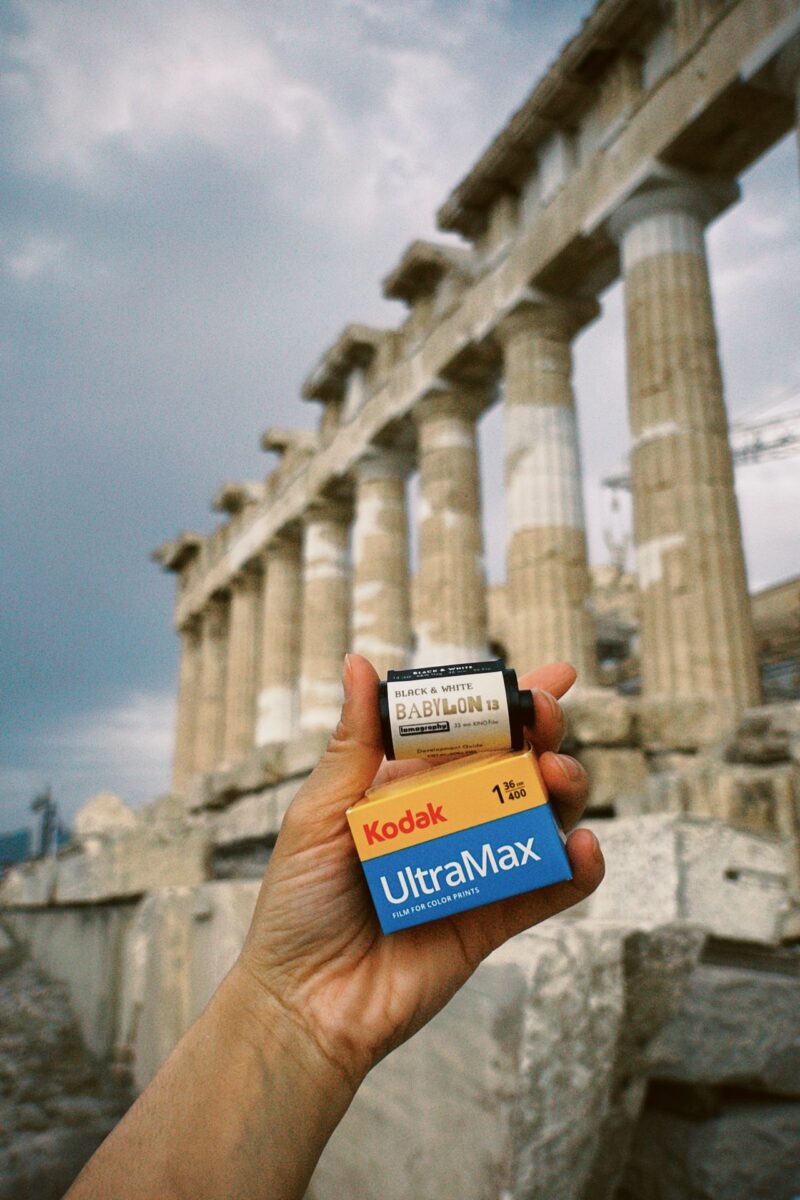
Spring offers flowers, greenery, and fresh landscapes.
Summer provides brilliant blue skies, bright sunlight, and classic island scenery.
Autumn brings softer light and more comfortable conditions.
Winter can provide dramatic skies, mountain landscapes, and quieter city scenes.
For iconic destinations such as Santorini, traveling outside the busiest summer period can also make it easier to photograph popular locations with fewer people around.
Best Time for a Greece Honeymoon
For couples planning a honeymoon, May, June, September, and early October can be excellent choices.
These periods can offer a combination of:
- Romantic weather
- Island experiences
- Sunset cruises
- Beach time
- Private tours
- Fine dining
- Wine tasting
- Cultural excursions
September is particularly attractive for couples who want warm weather without the intensity of the peak summer season.
Best Time for Family Greece Tours
Families should consider both weather and activity levels when choosing their travel dates.
May, June, and September can be excellent options.
The weather is generally suitable for sightseeing and outdoor activities, while the conditions can be more comfortable than during the hottest part of summer.
Families can combine:
- Athens sightseeing
- Archaeological attractions
- Island beaches
- Boat trips
- Food experiences
- Village visits
- Interactive cultural activities
Best Time for Budget Travelers
Travel costs vary according to destination, accommodation, and demand, but travelers looking for a quieter and potentially more economical trip often consider the shoulder seasons.
Spring and autumn can provide a good balance between weather and demand.
The official Greek tourism organization also highlights the advantages of spring travel, including fewer crowds and the possibility of earlier-season travel and accommodation deals.
Travelers should still compare prices for flights, hotels, ferries, and tours because costs vary considerably between destinations and dates.
Is Greece Worth Visiting Outside Summer?
Absolutely.
One of the biggest misconceptions about Greece is that the country is only worth visiting during summer.
While summer is fantastic for beaches and islands, Greece has a huge cultural and geographical diversity that can be enjoyed throughout the year.
The mainland alone includes regions such as Attica, Central Greece, Epirus, Macedonia, the Peloponnese, Thessaly, and Thrace, each offering different landscapes, history, cuisine, and experiences.
Traveling outside the summer months can allow you to experience:
- Historic cities
- Archaeological sites
- Museums
- Mountain villages
- Local cuisine
- Religious monuments
- Hiking
- Cultural festivals
- Traditional communities
- Winter landscapes
How to Choose the Right Month for Your Greece Tour
The best month depends on your priorities.
Choose March or April if you want:
- Cultural sightseeing
- Archaeological tours
- Spring landscapes
- Hiking
- Fewer crowds
- City breaks
Choose May if you want:
- Warm weather
- Sightseeing
- Island exploration
- Hiking
- Cultural experiences
- Fewer crowds than summer
Choose June if you want:
- Beaches
- Island hopping
- Sailing
- Swimming
- Warm weather
- Cultural sightseeing
Choose July or August if you want:
- Peak summer
- Beaches
- Swimming
- Nightlife
- Island atmosphere
- Long sunny days
Choose September if you want:
- Warm weather
- Swimming
- Island tours
- Cultural sightseeing
- Fewer crowds than peak summer
Choose October if you want:
- Comfortable sightseeing
- Cultural tours
- Food and wine
- Hiking
- Historic destinations
- A quieter atmosphere
Choose November through February if you want:
- Athens
- Museums
- Mainland Greece
- Mountain destinations
- Local culture
- Winter experiences
- Fewer tourists
Tips for Planning Greece Tours
Regardless of when you travel, a little planning can make your holiday much more enjoyable.
Check the weather for your specific destination. Greece has considerable regional variation, so conditions in Athens may differ from those on an island or in the mountains. The official tourism organization recommends checking destination-specific weather information before traveling.
Book popular summer destinations early. If you plan to travel during July or August, advance planning is particularly important for popular islands and accommodations.
Start sightseeing early during summer. Morning is often more comfortable for visiting archaeological sites and walking tours.
Allow flexibility for island travel. Weather and seasonal schedules can affect transportation, particularly when visiting smaller islands outside the peak period.
Consider the shoulder seasons. May, September, and October can be excellent choices for travelers who want to combine pleasant weather with cultural exploration and fewer crowds.
Match your destination to the season. Greece offers far more than the islands. Mainland destinations can be excellent choices during spring, autumn, and winter.
Final Thoughts: When Should You Visit Greece?
So, what is the best time to visit Greece?
For a classic beach and island vacation, June through September is an excellent choice.
For a combination of warm weather, sightseeing, cultural experiences, and fewer crowds, May and September are particularly attractive.
For archaeological, historical, and cultural tours, April, May, September, and October can be excellent.
For city breaks and mainland exploration, Greece can be rewarding throughout the year.

Ultimately, there is no single best month for everyone. Greece is a year-round destination with different experiences in every season. The official Greek tourism organization itself presents Greece as a destination to discover across spring, summer, autumn, and winter.
Whether you dream of watching the sunset in Santorini, exploring the Acropolis in Athens, discovering ancient Delphi, walking through the villages of Crete, sailing between the Cycladic islands, exploring medieval Rhodes, or enjoying authentic Greek cuisine in a family-run taverna, choosing the right season can make your trip even more enjoyable.
Start planning your Greece tour with GreeceTours.com and choose the season that best matches the experience you want to have.
Contact Information
GreeceTours.com – Operated by Seretis Travel IKE
Athens Office: 61 El. Venizelou (Panepistimiou Ave.), Omonoia Square, Athens 10564, Greece
Phone: +30 210 3241776, +30 210 3251295
WhatsApp/Viber/Mobile: +30 6974 823355
Email: info@greecetours.com