
Cultural Tours in Greece: Discover the History, Traditions, Art, and Soul of Greece
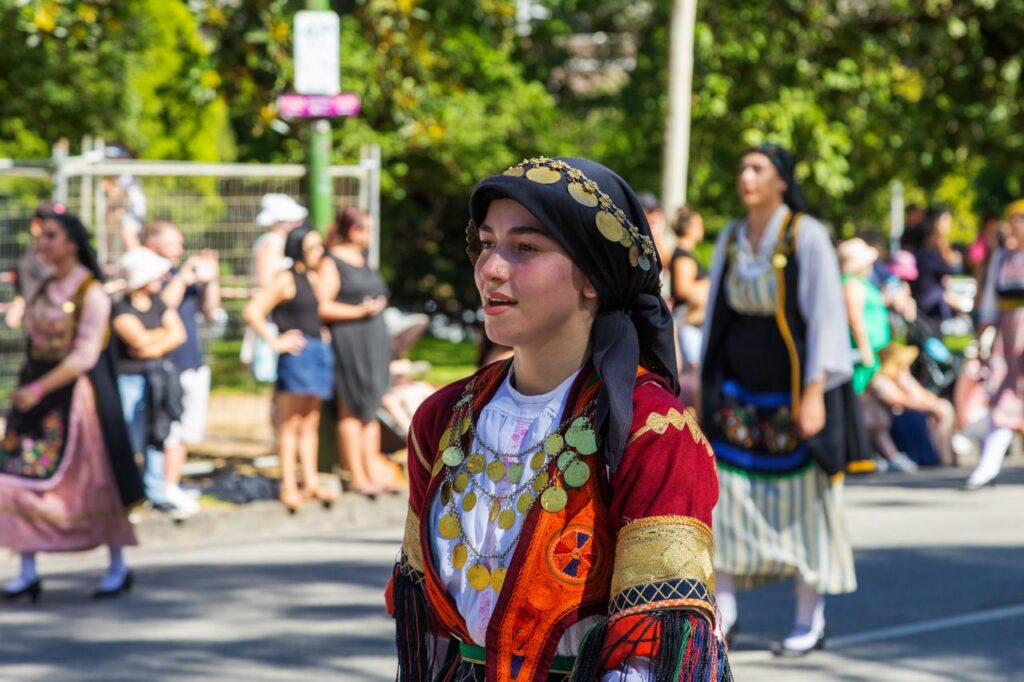
Cultural Tours in Greece: History, Traditions and Authentic Experiences
Greece offers much more than beautiful islands, turquoise waters and Mediterranean cuisine. It is a country where ancient monuments, Byzantine churches, medieval castles and traditional villages remain part of everyday life.
Our cultural tours in Greece connect you with the history, people and living traditions behind every destination. Explore the Acropolis with a licensed guide, follow the legends of Delphi, visit the monasteries of Meteora or discover Minoan Crete. Meet local producers, taste regional food and experience communities whose customs have developed over generations.
GreeceTours.com creates private and tailor-made cultural journeys for couples, families, friends and small groups. Every itinerary can be adapted to your interests, preferred pace, travel dates and budget.
What Is a Cultural Tour of Greece?
A cultural tour reveals the stories and traditions that give each destination its identity. It goes beyond sightseeing by placing monuments, landscapes, food and local customs in their historical context.
A personalized cultural itinerary may include:
- Guided visits to archaeological sites and museums
- Walking tours through historic districts
- Byzantine churches, monasteries and pilgrimage sites
- Traditional towns, mountain villages and island communities
- Cooking lessons and regional food experiences
- Vineyard, winery and olive farm visits
- Folk art, music, dance and craft workshops
- Local festivals and religious celebrations
- Meetings with producers, artists and residents
These experiences show how Greece’s past continues to influence its architecture, cuisine, beliefs and daily life.
Why Choose a Cultural Tour in Greece?
Greek civilization helped shape democracy, philosophy, science, literature, theatre, architecture and art. Later periods added new layers to the country’s identity. Roman cities, Byzantine monasteries, Venetian fortresses and Ottoman buildings can be found across mainland Greece and the islands.
Greek culture, however, is not confined to monuments and museums. It remains alive in village squares, family kitchens, local markets, religious celebrations, vineyards, workshops and fishing communities.
A well-designed cultural tour helps you:
- Understand the meaning behind important monuments
- Visit several destinations without complicated planning
- Travel comfortably with reliable transportation
- Learn from licensed local guides
- Discover places beyond the best-known attractions
- Meet local people and support community businesses
- Combine history with cuisine, wine, nature, or island stays
Instead of seeing Greece as a collection of famous landmarks, you experience it as a living civilization.
The Best Cultural Destinations in Greece
Athens: Ancient Heritage and Modern Greek Life
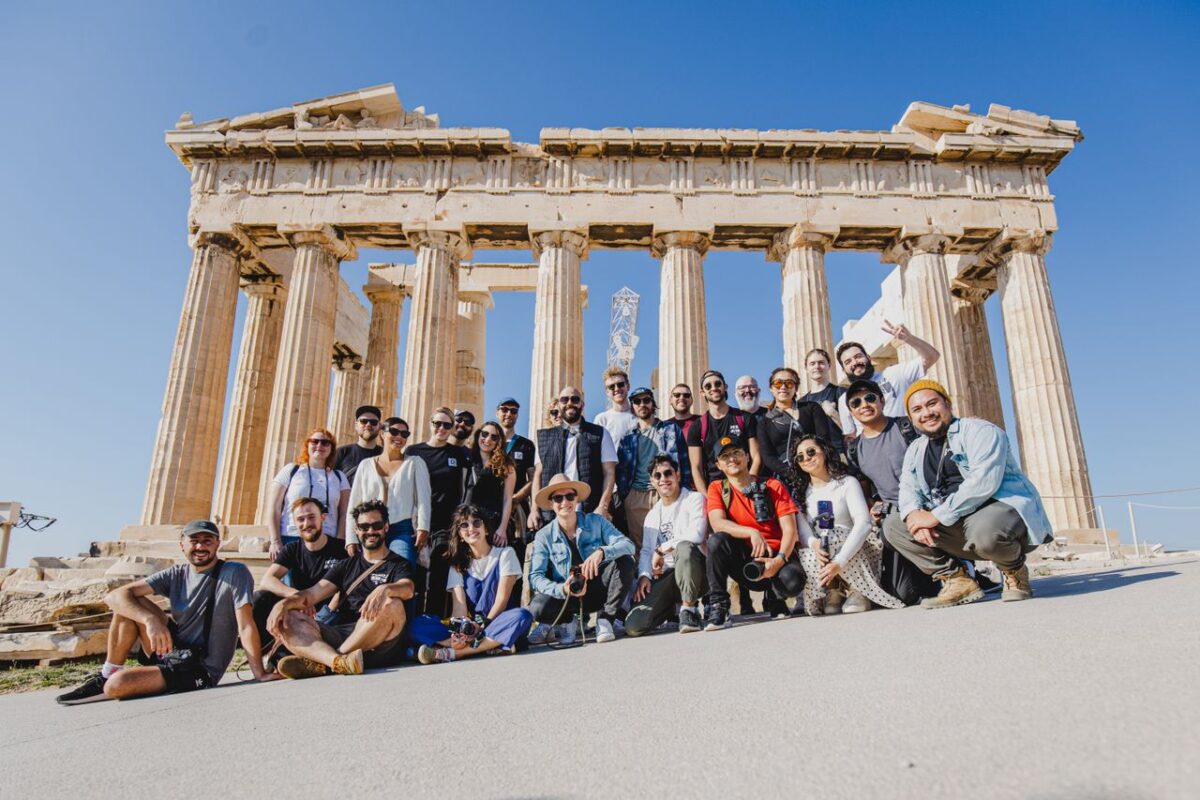
Athens is the natural starting point for a cultural journey. Ancient ruins, Byzantine churches, and neoclassical buildings stand beside colorful markets, contemporary museums, and lively neighborhoods.
Essential cultural attractions include:
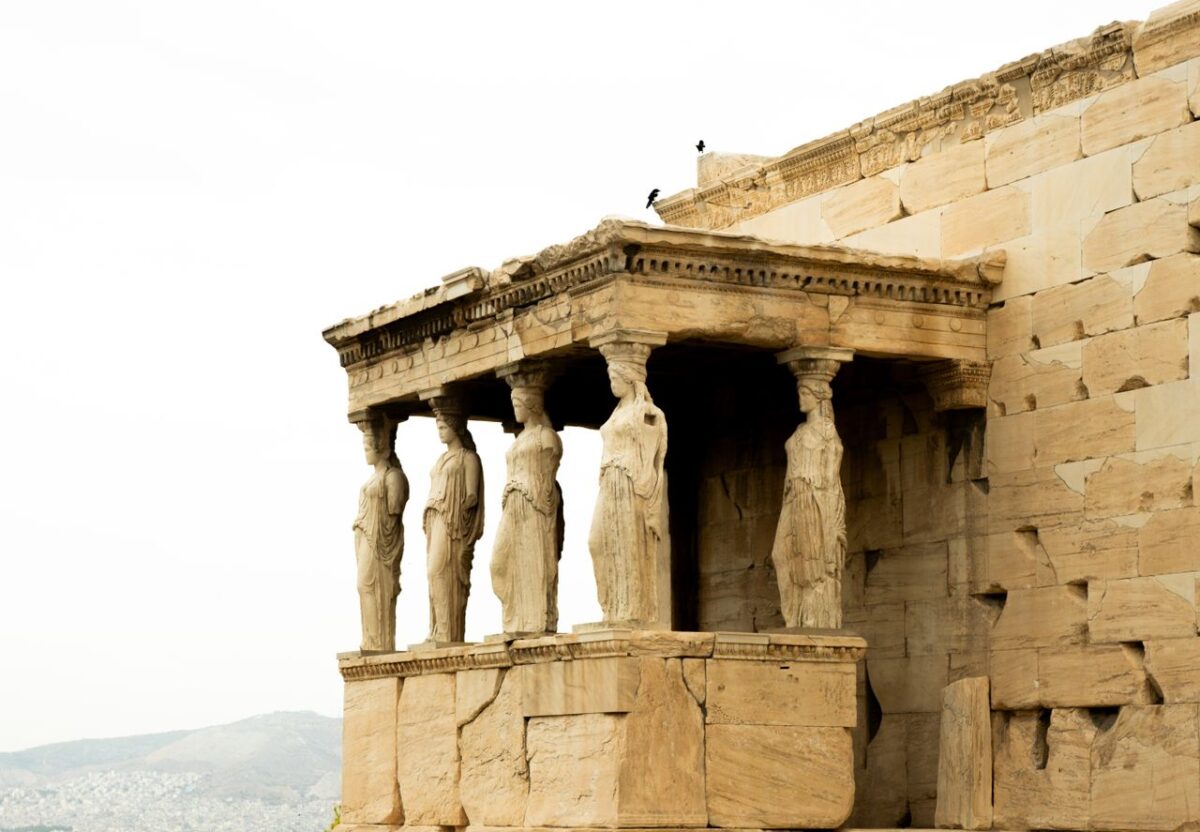
- The Acropolis and Parthenon
- The Acropolis Museum
- The Ancient Agora
- The Roman Agora
- The Temple of Olympian Zeus
- The Panathenaic Stadium
- The National Archaeological Museum
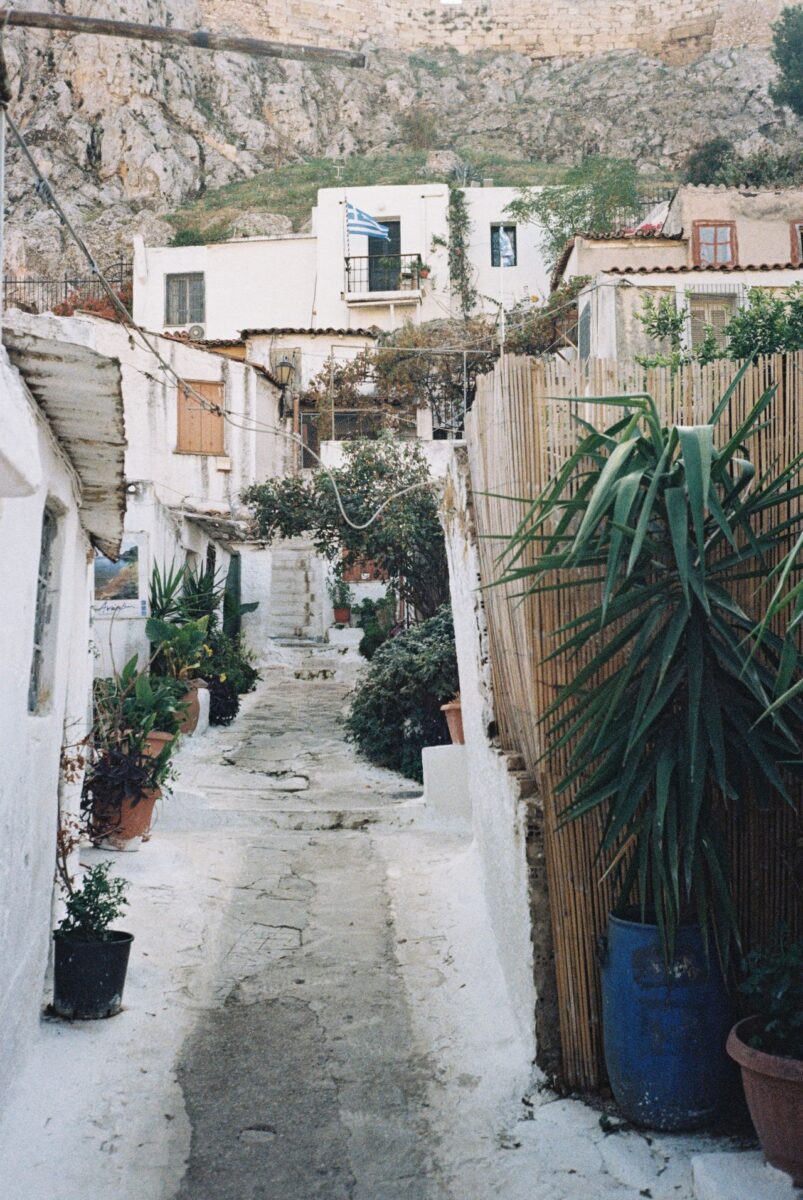
- Plaka, Anafiotika and Monastiraki
- Varvakios Central Market
A licensed guide can explain the development of democracy, philosophy, religion and public life in ancient Athens. A walking or food tour then introduces you to the character of the modern city.
Delphi: Mythology, Religion and the Ancient Oracle
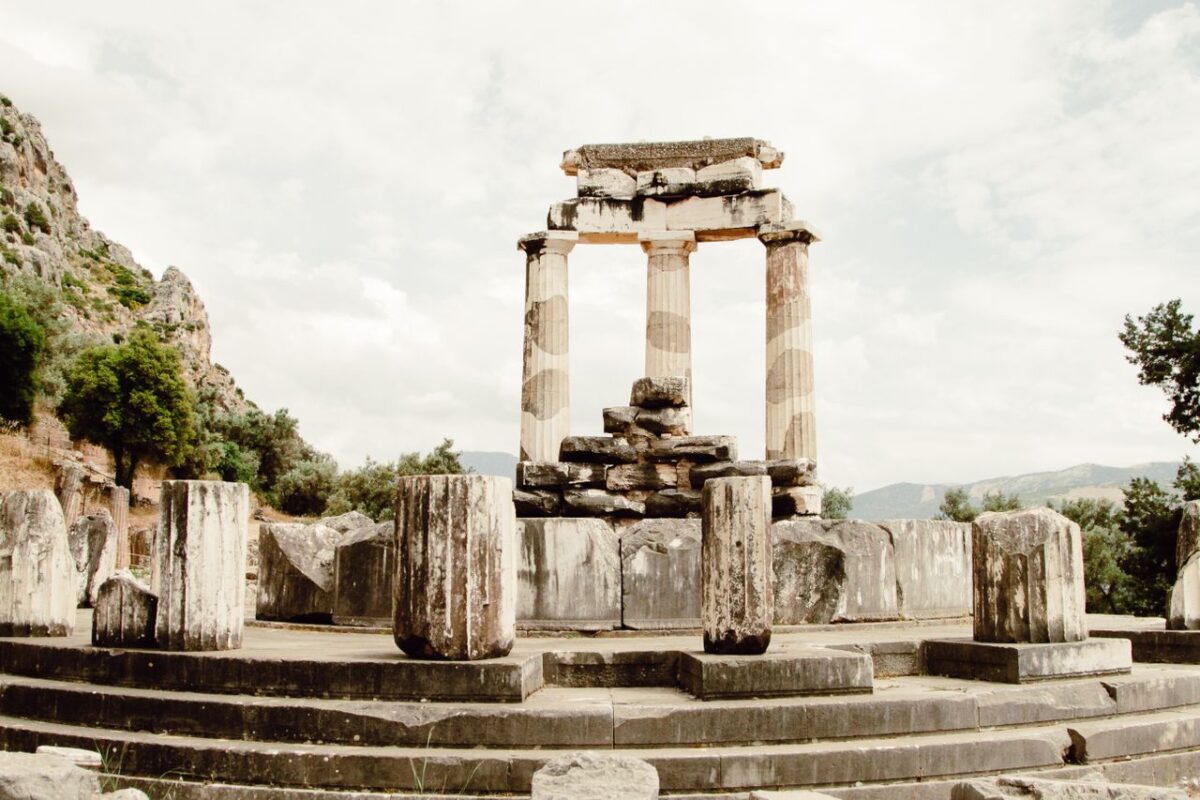
Delphi lies on the slopes of Mount Parnassus in a spectacular mountain setting. The sanctuary was dedicated to Apollo and was regarded by the ancient Greeks as the centre of the world.
Rulers, military leaders and ordinary citizens visited the Oracle of Delphi before making important decisions. Today, visitors can follow the Sacred Way, see the Temple of Apollo, the ancient theatre and stadium, and explore the Delphi Archaeological Museum.
Highlights include the Charioteer of Delphi, the Athenian Treasury, the Sphinx of Naxos and the nearby Sanctuary of Athena Pronaia. Delphi can be visited as a day trip from Athens or combined with Meteora.
Meteora: Monasteries Above the Clouds
Meteora combines extraordinary geology with Orthodox Christian history. Centuries-old monasteries rise above enormous rock pillars, creating one of Europe’s most memorable cultural landscapes.
A guided visit introduces the religious communities, frescoes, manuscripts, and architectural achievements of the monasteries. Meteora is ideal for travelers interested in faith, history, photography and nature.
Visitors should wear respectful clothing when entering the monasteries. Women may be asked to wear a skirt below the knee, while men should wear long trousers.
The Peloponnese: Mycenae, Epidaurus and Olympia
The Peloponnese is one of the best regions for an archaeological road trip. Its ancient sites, medieval castles, olive groves and historic towns can be combined in a private multi-day itinerary.
Important destinations include:
- Corinth: An influential commercial centre of the ancient Mediterranean
- Mycenae: The Bronze Age kingdom associated with Agamemnon
- Epidaurus: The sanctuary of Asclepius and its celebrated ancient theatre
- Nafplio: A romantic historic town with Venetian architecture
- Olympia: The sanctuary of Zeus and birthplace of the ancient Olympic Games
- Mystras: A remarkable Byzantine fortified city near Sparta
- Monemvasia: A medieval settlement built on a dramatic coastal rock
The region is particularly suitable for travelers who want to combine archaeology with wine, cuisine and traditional villages.
Crete: Minoan Civilization and Living Traditions
Crete has a distinct identity shaped by Minoan civilization, Byzantine culture, Venetian rule, mountain communities, music and food.
The Palace of Knossos near Heraklion reveals the architecture, art and beliefs of one of Europe’s earliest advanced civilizations. Its history is closely connected with the myths of King Minos, the Labyrinth and the Minotaur.
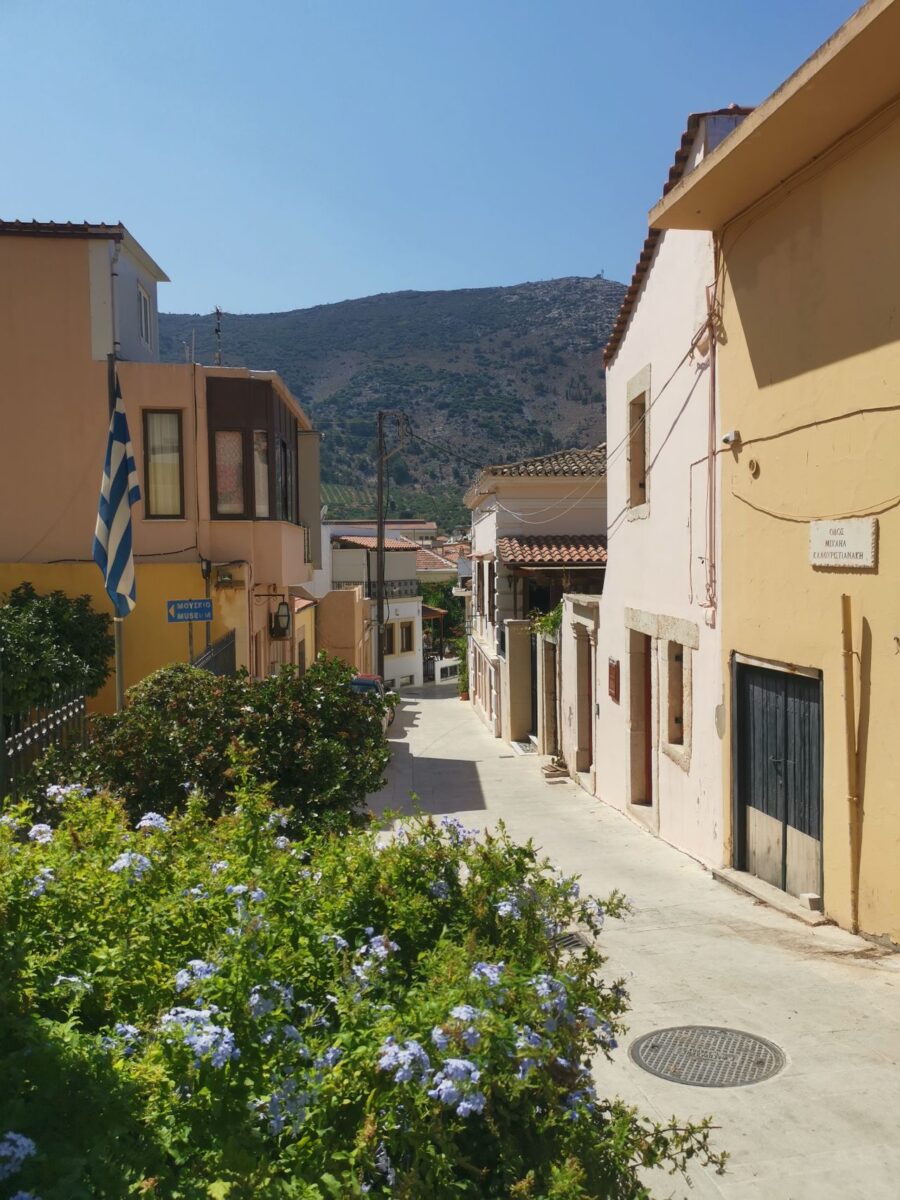
Beyond Knossos, visitors can explore Venetian towns, monasteries, mountain villages and family-owned farms. Cooking lessons, cheese-making demonstrations and olive-oil tastings provide an authentic introduction to Cretan life.
Northern Greece: Thessaloniki and Ancient Macedonia
Thessaloniki reflects Greek, Roman, Byzantine, Ottoman and Jewish history. Cultural visits may include the White Tower, Roman Forum, Byzantine churches, archaeological museums, historic neighborhoods and food markets.
Nearby Vergina contains the royal tombs of ancient Macedonia and remarkable treasures associated with the dynasty of Philip II. Northern Greece can also be combined with Meteora and the archaeological sites of Pella and Dion.
Cultural Tours on the Greek Islands
The Greek islands are not only beach destinations. Each island has its own architecture, history, cuisine and local traditions.
Santorini
Santorini combines volcanic landscapes, Cycladic villages and important archaeological remains. Cultural experiences include Akrotiri, traditional settlements, historic churches, wineries and local food.
The island’s volcanic soil has shaped a distinctive wine tradition. A vineyard visit can introduce travelers to indigenous grape varieties and unusual cultivation methods.
Explore our Santorini Cultural Tour or ask us to include a private island experience in a longer itinerary.
Mykonos and Delos
Beyond its famous beaches, Mykonos offers whitewashed Cycladic architecture, historic churches, windmills and old fishing neighborhoods.
Nearby Delos was one of the most important religious and commercial centres of the ancient Aegean. Its temples, houses, mosaics and public buildings make it an essential destination for archaeology enthusiasts.
Rhodes
Rhodes combines ancient Greek, Byzantine, medieval and Ottoman heritage. The UNESCO-listed medieval Old Town is enclosed by impressive walls and contains monuments associated with the Knights of Saint John.
A Rhodes itinerary can combine the Old Town with Lindos, traditional villages and archaeological sites across the island.
Greek Food, Wine and Olive-Oil Experiences
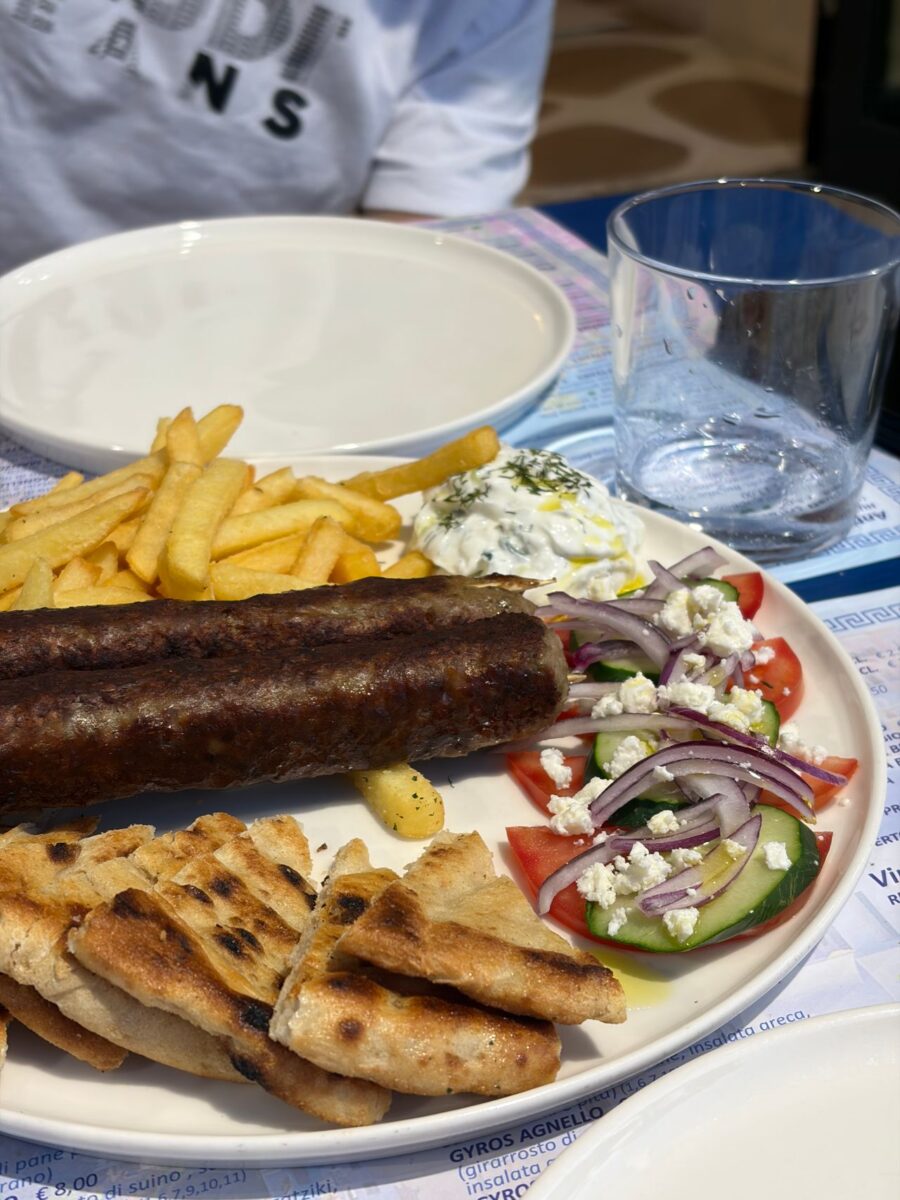
Food is one of the most accessible ways to understand Greek culture. Regional cuisine is based on seasonal produce, olive oil, herbs, grains, cheese, seafood and recipes passed through generations.
A cultural food experience may include:
- A guided market visit
- A Greek cooking class
- Lunch at a family-owned taverna
- Cheese, honey or herb tastings
- A vineyard and winery tour
- A visit to an olive grove and mill
Santorini is known for its volcanic vineyards, while Crete, the Peloponnese and northern Greece have their own grape varieties and culinary traditions.
Byzantine and Religious Heritage
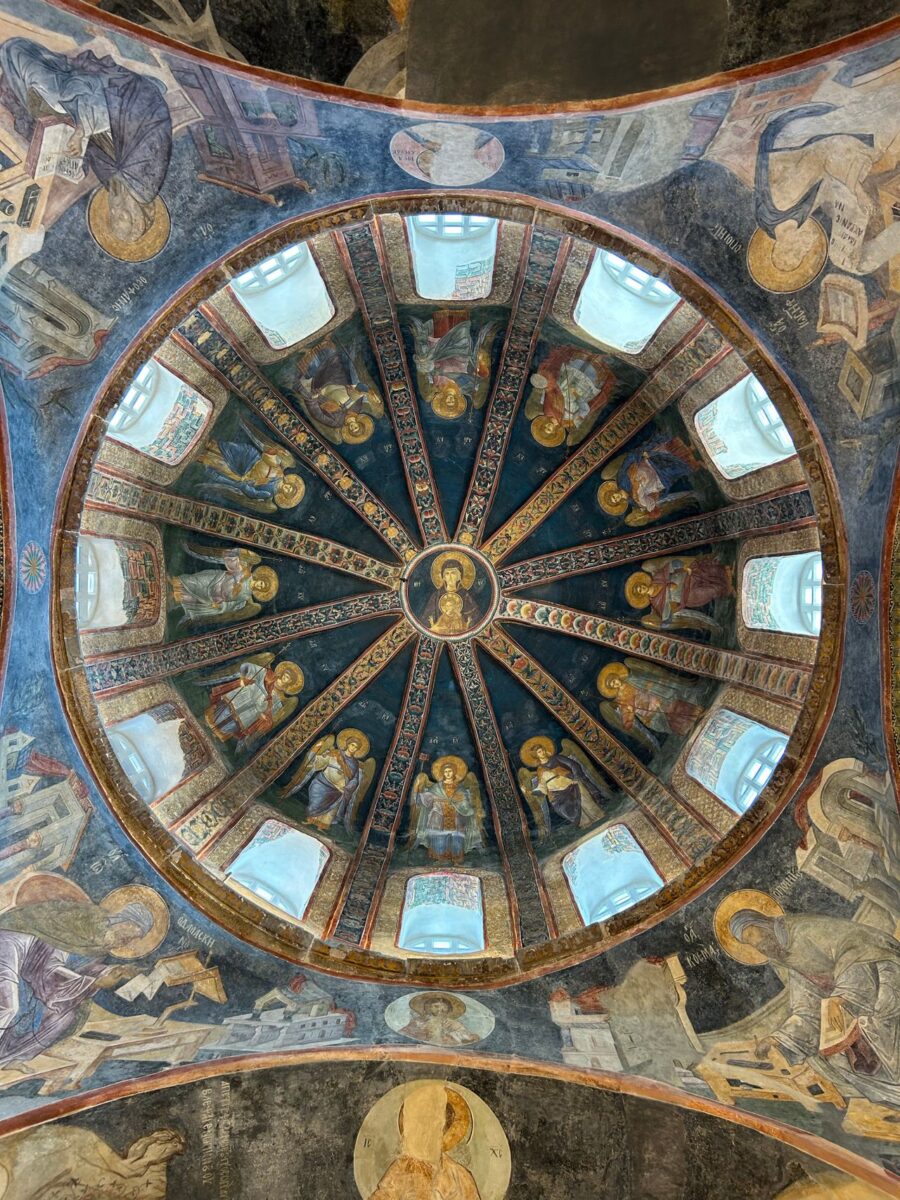
Greece’s cultural story extends far beyond antiquity. Byzantine churches, monasteries, icons, frescoes and mosaics preserve centuries of religious and artistic history.
Important destinations include Meteora, the Byzantine monuments of Thessaloniki, Mystras, monasteries in Crete and historic churches throughout the islands and the Peloponnese.
Religious and pilgrimage tours can be adapted for individuals, private groups and church communities. Appropriate clothing and respect for worship practices are essential when visiting active religious sites.
Private Cultural Tours in Greece
A private cultural tour provides flexibility and personal attention. The route, pace, and experiences can be adjusted to your interests.
History enthusiasts may prefer a journey through Athens, Delphi, Mycenae, Epidaurus and Olympia. Food lovers can combine markets, villages, wineries and olive farms. Families may choose interactive mythology, cooking and castle experiences, while couples can combine cultural visits with romantic island stays.
Private transportation also makes it easier to visit smaller villages and archaeological sites that are difficult to reach independently.
Suggested Cultural Itineraries
Three to Five Days
Begin in Athens with the Acropolis, Acropolis Museum, Ancient Agora, and historic neighborhoods. Add a day trip to Delphi, Corinth, Mycenae or Epidaurus.
One Week
Combine Athens with Delphi and Meteora, or explore Athens, Nafplio, Mycenae, Epidaurus and Olympia. Another excellent option is a week in Crete featuring Knossos, Venetian towns and traditional villages.
Ten Days to Two Weeks
Create a deeper journey linking Athens, the Peloponnese, Delphi and Meteora. Alternatively, combine mainland heritage with Santorini, Crete, Rhodes or Mykonos and Delos.
The best itinerary is not necessarily the one containing the most destinations. A comfortable pace allows time to understand and enjoy each place.
Best Time for Cultural Tours in Greece
Greece offers cultural experiences throughout the year:
- Spring: Comfortable temperatures, green landscapes and excellent conditions for archaeological visits
- Summer: Ideal for combining culture with islands and beaches, although major sites can be busy
- Autumn: Pleasant weather, fewer crowds and excellent opportunities for food, wine and village experiences
- Winter: Well suited to Athens, museums, mainland cities and selected archaeological destinations
Spring and autumn are often the best choices for travelers who prefer mild weather and a relaxed sightseeing pace.
Responsible Cultural Travel
Respect helps preserve the places and communities that make Greece special.
Follow regulations at archaeological sites and never climb on protected monuments. Dress appropriately in churches and monasteries. Ask permission before photographing residents or religious ceremonies. Remember that traditional villages are living communities, not open-air exhibits.
Choosing licensed guides, family-owned restaurants, local artisans, and regional producers helps cultural tourism support the people who protect Greece’s heritage.
Frequently Asked Questions
Can cultural tours in Greece be customized?
Yes. A private itinerary can be designed around archaeology, mythology, Byzantine heritage, gastronomy, wine, traditional villages or a combination of interests.
Are licensed guides included?
Licensed guides can be arranged for archaeological sites, museums, and city tours. Their services are included only when specified in your personal quotation.
Are cultural tours suitable for families?
Yes. Mythology-based visits, cooking workshops, castles and interactive museum experiences can make Greek history engaging for children and teenagers.
Can I combine mainland Greece with the islands?
Yes. Athens, Delphi, Meteora or the Peloponnese can be combined with Santorini, Mykonos, Crete, Rhodes and other islands. Transport may include private vehicles, domestic flights and ferries.
How many days do I need?
Athens and one nearby destination can be explored in three to five days. Seven to ten days allow a more complete mainland journey. Two weeks are ideal for combining several regions with one or two islands.
What should I wear at monasteries?
Shoulders and knees should be covered. At Meteora, women may be asked to wear skirts below the knee, while men should wear long trousers.
Plan Your Cultural Tour of Greece
Walk through ancient Athens, hear the stories of Delphi, stand inside the theatre of Epidaurus and discover the monasteries of Meteora. Explore Knossos, taste Cretan olive oil, visit a Santorini vineyard or share a meal in a traditional village.
GreeceTours.com can organize your accommodation, transfers, domestic transportation, licensed guides, and selected cultural experiences. Your journey begins when you arrive and continues with local assistance throughout your stay.
Tell us your preferred dates, number of travelers, interests, and approximate budget. We will prepare a tailor-made cultural itinerary for Greece.
Contact GreeceTours.com
GreeceTours.com – Operated by Seretis Travel IKE
Athens Office: 61 El. Venizelou (Panepistimiou Ave.), Omonoia Square, Athens 10564, Greece
Phone: +30 210 3241776, +30 210 3251295
WhatsApp/Viber/Mobile: +30 6974 823355
Email: info@greecetours.com